
English| EUR
Suggested for you
More currencies
Choose a language
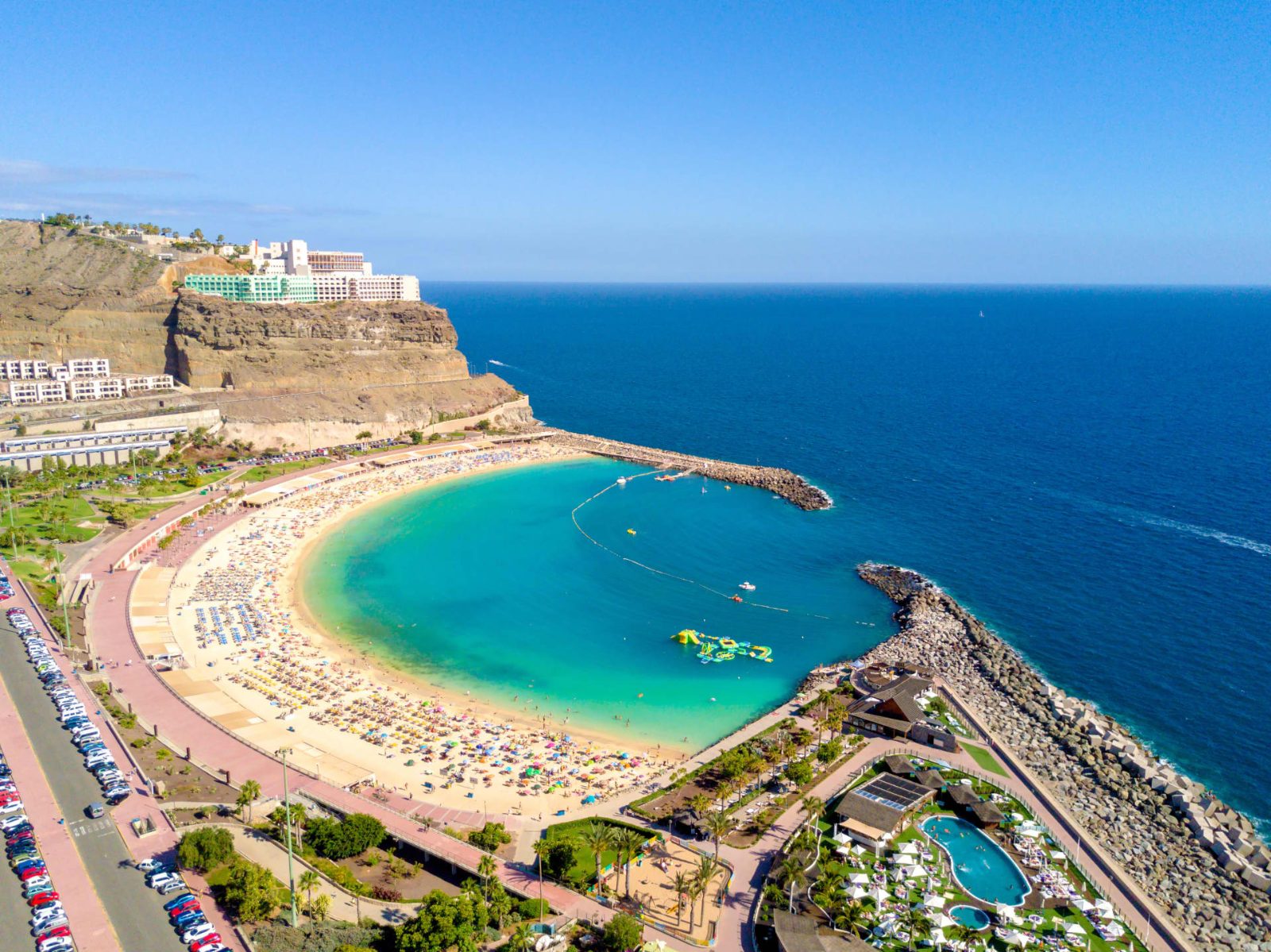
Puerto Rico de Gran Canaria sits on the island's sunlit southern coast, a purpose-built resort where international visitors weigh value against convenience. The town center wraps around a sheltered horseshoe bay, and pricing reflects its tourism-focused economy. Understanding what drives costs here helps you allocate funds where they matter most.
Quick answer
Puerto Rico de Gran Canaria operates as a mid-to-upper-range resort destination where costs run higher than inland Gran Canaria towns but remain moderate compared to mainland European beach destinations. Free entry to the town and public beaches keeps baseline costs down, while accommodation, dining and excursions form the bulk of visitor spending. Prices peak during winter sun-seeker season from November through March, with shoulder periods offering better value for identical services.
The town's entire economy pivots around tourism, a fact visible in its price structure. Every business—from beachfront cafés to hillside apartments—calibrates rates to capture visitor spend during the high season. This concentration creates a dual effect: service density and competition keep some categories surprisingly affordable, while captive-audience dynamics inflate others. The result is a destination where strategic choices matter more than absolute budget level. Accommodation anchors most budgets. The resort skews toward apartment complexes and all-inclusive properties rather than budget hostels, with inventory concentrated in the €70-€180 per night range for standard units. Location creates the steepest variation—beachfront properties command premiums of 40-60% over hillside equivalents just 400 meters inland. Self-catering apartments dominate the lower end of this spectrum, allowing grocery-shopping visitors to bypass restaurant prices entirely. Supermarkets cluster near the town center, their rates nearly identical to Las Palmas for staples but marked up 15-25% for imported goods and alcohol. Dining costs split cleanly by audience. Tourist-zone restaurants along Avenida de Mogán post menus in four languages and charge €12-€22 for mains, with seafood paella and grilled fish as anchor dishes. Walk 200 meters uphill to residential streets and the same meal drops to €8-€14 at neighborhood spots serving Canarian workers. Breakfasts follow the same gradient—beachfront buffets at €10-€15 versus bakery takeaway at €3-€5. The tap water is potable across the island, eliminating bottled-water costs that compound quickly in hotter climates. Activities layer onto these baseline costs. The beaches themselves are free, as are coastal walking paths and the small marina promenade. Boat excursions to see dolphins or reach secluded coves form the primary paid activity, with half-day trips starting around €35-€50 per adult. Water sports rental—kayaks, paddleboards, jet skis—clusters at the beach's eastern end with hourly rates from €15-€60 depending on equipment. Car rental unlocks the island's interior and northern coast for €25-€40 per day, though parking in Puerto Rico itself is free in most public areas. The shoulder seasons of April-May and September-October deliver identical weather with 20-30% lower rates across accommodation and tour operators seeking to fill capacity. Grocery costs hold steady year-round, making self-catering visitors less exposed to seasonal swings. The town's compact footprint—barely one kilometer end to end—eliminates local transport costs entirely, as everything sits within a 15-minute walk. This walkability extends the value of any accommodation choice, since even hillside properties remain functionally convenient.
“The town's compact footprint eliminates local transport costs entirely, as everything sits within a 15-minute walk.”
Puerto Rico de Gran Canaria offers diverse price points depending on accommodation and dining choices. Daily expenses vary based on whether you select self-catering options or full-service hospitality venues.
How to spend less
Verdict: A typical daily budget ranges from 60 EUR for budget-conscious travelers to over 150 EUR for those seeking more comfortable or upscale amenities.
Access to the town of Puerto Rico de Gran Canaria and its public beaches does not require an entrance fee. Visitors may explore the area freely without purchasing tickets for general admission.
Verdict: A typical visitor pays 0 EUR for access, with costs only arising from optional commercial activities or services.
Puerto Rico de Gran Canaria is located on the southwest coast of the island and is accessible via the GC-1 motorway. The most efficient way to reach the town is by public bus or private taxi from Gran Canaria Airport (LPA).
Global Bus Line 91 from Airport to Puerto Rico
GC-1 motorway direct transfer
GC-1 motorway
For optimal daylight and activity planning, the best arrival window is 09:00–18:00. If arriving by car, note that central parking can be limited during peak hours.
Dining in Puerto Rico de Gran Canaria spans from international menus at the seafront commercial centers to quieter, local eateries situated further inland. Visitors can balance convenience by the harbor with more moderate pricing found in the town's residential areas.
restaurant
A central hub featuring numerous eateries ranging from fast food to international cuisine located at the heart of the town.
restaurant
Seaside dining options overlooking the yachts that cater primarily to tourists with views of the harbor.
market
Located a short distance away, this provides a space to purchase fresh local produce for self-catering.
café
Tucked away from the primary tourist zones, these spots offer traditional coffee and snacks at lower price points.
Everything you need to know about is puerto rico gran canaria expensive
Puerto Rico de Gran Canaria offers a wide range of accommodation and dining options, making it accessible for various budgets. Whether this resort is costly depends largely on your personal travel style and choices regarding lodging and dining. Visitors often find that careful planning helps manage overall spending effectively.
Travelers researching whether is Puerto Rico Gran Canaria expensive will find that daily expenses vary based on individual habits. While basic amenities and public beach access remain affordable, costs for excursions and premium services add to the total. Comparing options online helps in estimating a realistic daily expenditure.
For those worried about whether is Puerto Rico Gran Canaria expensive, the town provides free public access to its beaches and recreational areas. With an entrance fee of 0 EUR to these public zones, you can enjoy the coastline without spending on admission. This makes it a flexible destination for those monitoring their holiday finances.
While the query is Puerto Rico Gran Canaria expensive is common, your daily budget is ultimately determined by your preferences for activities and meals. Many visitors balance lower-cost beach days with paid boat trips or local attractions to create a diverse itinerary. Local markets and supermarkets are available for those looking to offset restaurant costs.
The seasonal timing significantly influences the answer to is Puerto Rico Gran Canaria expensive, as demand fluctuates throughout the year. Traveling during off-peak periods can lead to more competitive rates for accommodation and services. Planning your visit outside of major holidays often yields better value for your money.
When considering if is Puerto Rico Gran Canaria expensive, it is wise to allocate funds for dining, excursions, and transport while keeping in mind that basic beach access is free. By researching specific activities in advance, you can create a budget that aligns with your expectations. Focusing on local experiences rather than high-end imports helps maintain a balanced vacation spend.
Sunset Boat Trips
Read more Tickets & toursBoat Party Experiences
Read more GuideFerry Schedule & Tickets
Read more GuideSea Temperature & Conditions
Read more Tickets & toursDolphin Boat Trips
Read more GuideBoat & Ferry to Mogán
Read more GuidePrivate Boat Hire & Charters
Read more